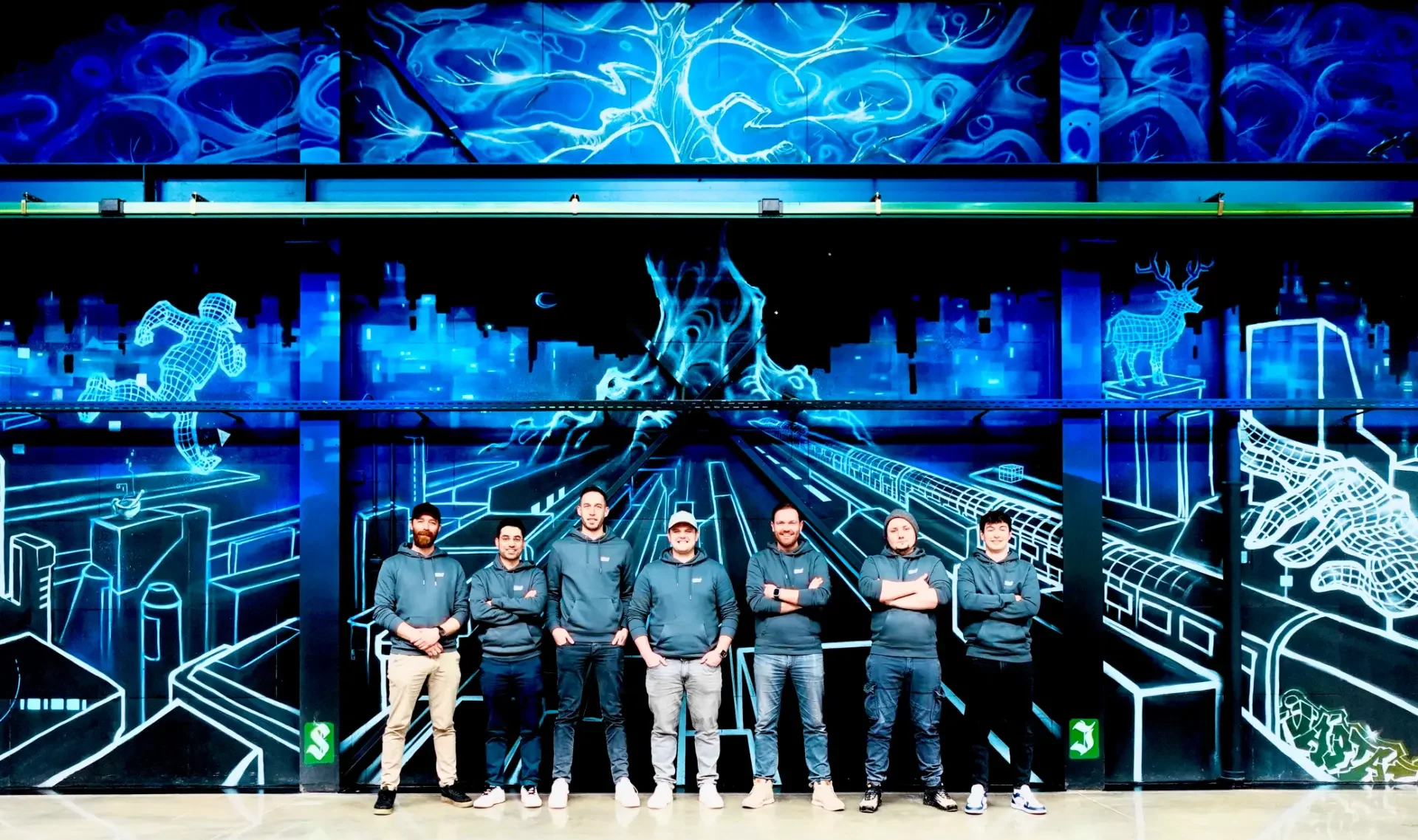
Modular data centers
We design ModFlex facilities around your site, power, cooling, rack density and resilience requirements. The result is a facility concept that fits the equipment and has a considered path for operations and expansion.
END-TO-END EXPERTISE FOR HIGH-PERFORMANCE COMPUTING.
Baseline first. Connect the layers. Measure the delivered result.
01 / ELIOVP
Start with the work you need to run. We connect the facility, hardware, model and daily workflow so the result can be tested in practice.
We design ModFlex facilities around your site, power, cooling, rack density and resilience requirements. The result is a facility concept that fits the equipment and has a considered path for operations and expansion.
We plan and deliver GPU servers and clusters with the storage, networking and cooling that the workload requires. Sizing starts with model behavior, concurrency and operational constraints so capacity decisions can be tested before procurement.
We help teams run selected AI models and applications on customer-controlled hardware, from a workstation to a shared server. Data flows, access, licences and support are part of the design, so local processing is a deliberate operating choice rather than a hardware label.
Paiton targets documented models and hardware configurations to improve useful inference performance. We publish workload-specific benchmarks and community packages so teams can inspect the setup, the limits and the measured result.
AIDesk brings documents, team chat, customer context, tasks and AI assistance into one workspace. It helps people find what matters and move work forward without making them replace their existing email service.
We build controlled agents and computer-vision workflows around real business tasks, with human review where needed. Ready AI Go helps teams learn safe, practical AI use so the technology can become useful beyond a pilot.
02 / ELIOVP
The difference is in the boundary of the work, the evidence behind a claim and the choices left with the customer. Comparisons below are limited to the specific service or benchmark named.
We connect facility design, GPU infrastructure, model serving and application workflows instead of treating each as an isolated purchase. An Uptime Institute Accredited Tier Specialist is part of our engineering team, bringing formal Tier Standards knowledge to facility decisions; that does not mean every project is Tier certified.
AMD’s 2025 profile records more than 250,000 GPUs deployed across ElioVP customer environments worldwide. That is a cumulative deployment figure, not a count of current customers or a promise about any new project.
In the original matched Qwen3.8 test on one Radeon AI PRO R9700, Paiton on regular vLLM delivered 57% higher throughput than Radiance + DFlash2 at eight concurrent requests. The result belongs to that 188-request, 8K-context benchmark, not to every model or deployment.
Amazon Bedrock and Microsoft Foundry offer managed model-serving paths that reduce infrastructure work. ElioVP can instead design a customer-controlled on-prem deployment when data location or operational control matters; neither route is automatically cheaper or more secure.
AMD has featured Paiton, Supermicro has published an ElioVP success story, and NVIDIA lists ElioVP in its enterprise marketplace. We also keep sensitive customer environments private and share selected references only when permissions allow.
03 / ELIOVP
We work with organizations whose AI or compute decision has to survive contact with real workloads, facilities and operating teams.
04 / ELIOVP

05 / ELIOVP
There is no one-size-fits-all deployment calendar. We agree a baseline, responsibilities and evidence of success for the actual workload and site.
Contact us through the website or by phone and describe the task, constraints and decision you need to make. You will speak with the team that can assess the relevant engineering scope.
We review representative workloads, available infrastructure, data boundaries and operational requirements. The proposal defines deliverables, commercial terms, communication cadence and the measurements used to judge the result.
The relevant engineers deliver the agreed system or workflow and test it against the defined baseline. Handover and any ongoing support are scoped explicitly, including the customer’s operational responsibilities.
Response targets, turnaround times, meeting channels and support coverage are agreed for each engagement; we do not publish a universal SLA or fixed delivery time.
06 / ELIOVP
A concise reference for the public facts we can state. Project-specific commercial details and customer names are shared only where approved.
EXTERNAL VALIDATION
Enterprise infrastructure decisions require more than broad claims. ElioVP’s work is publicly documented through official technology-company channels.

Official article
AMD’s official article introduces Paiton by ElioVP and discusses ElioVP’s work on performance tooling, AI optimization and AMD platforms.
AMD Tech Talk also invited ElioVP CEO Elio Van Puyvelde to discuss the company’s origins, its end-to-end infrastructure work and its approach to AI, GPU and machine-learning solutions.
This supports ElioVP’s technical credibility in workload-aware GPU optimization and production AI infrastructure.
Customer success story PDF
Supermicro’s official success story documents ElioVP’s work with server, storage and GPU infrastructure for demanding workloads.
This provides externally published evidence of ElioVP’s practical infrastructure and performance-engineering experience.

Official marketplace listing
ElioVP appears in NVIDIA’s official enterprise partner marketplace.
This gives prospective customers a direct external source through which they can verify ElioVP’s presence in the NVIDIA partner ecosystem.
ENGINEERING CREDENTIALS
Our engineering team includes an Uptime Institute Accredited Tier Specialist (ATS), bringing formal knowledge of the Tier Standards into decisions around facility resilience, availability and operational requirements.
This strengthens our ability to identify infrastructure risks and align data center concepts with the required level of operational resilience.

OPERATIONS
Facility, colocation, compute, storage, networking, runtime, and operational software choices affect one another. ElioVP surfaces those trade-offs before they become expensive redesigns or handoffs.
ModFlex programs are shaped around site conditions, resilience, power, cooling, rack density, operational requirements, delivery timing, and future expansion.
Hardware-aware software and workload-specific optimization help produce more useful throughput from the systems and power already available.
AI applications are designed around existing systems, human review, data location, and measurable operating outcomes, rather than forcing replacement for its own sake.
LIFECYCLE VALUE
ElioVP looks at the full cost of a workload: what you buy, how efficiently it runs, and what it costs to operate and grow.
The goal is to remove waste before it becomes locked into the architecture.
Workload and capacity planning help avoid over-provisioning, mismatched components, and expensive redesigns.
In our MiniMax H3 test, one R9700 saved a 15-second video with stereo sound 16.7% sooner. Warm, complete-request timing with the same settings.
See the measured resultOne end-to-end technical partner connects sourcing, deployment, operations, and expansion, surfacing cost trade-offs earlier and reducing unnecessary handoffs.
We baseline performance, utilization, power, and operational requirements before design, then measure the delivered environment against agreed targets.
Cost reduction is customer- and workload-specific. ElioVP agrees the baseline, scope, and measurement method before making a project-specific business case. No universal saving is implied.
PROOF POINTS
Companyweb reports €215.45 million turnover for 2024. The near-€500 million cumulative figure is reported by ElioVP; the public summary does not display turnover for every earlier year. View public annual figures
FIELD RESULTS
Selected examples of how ElioVP applies compute, facility and optimization expertise across demanding infrastructure environments.
HPC DEPLOYMENT
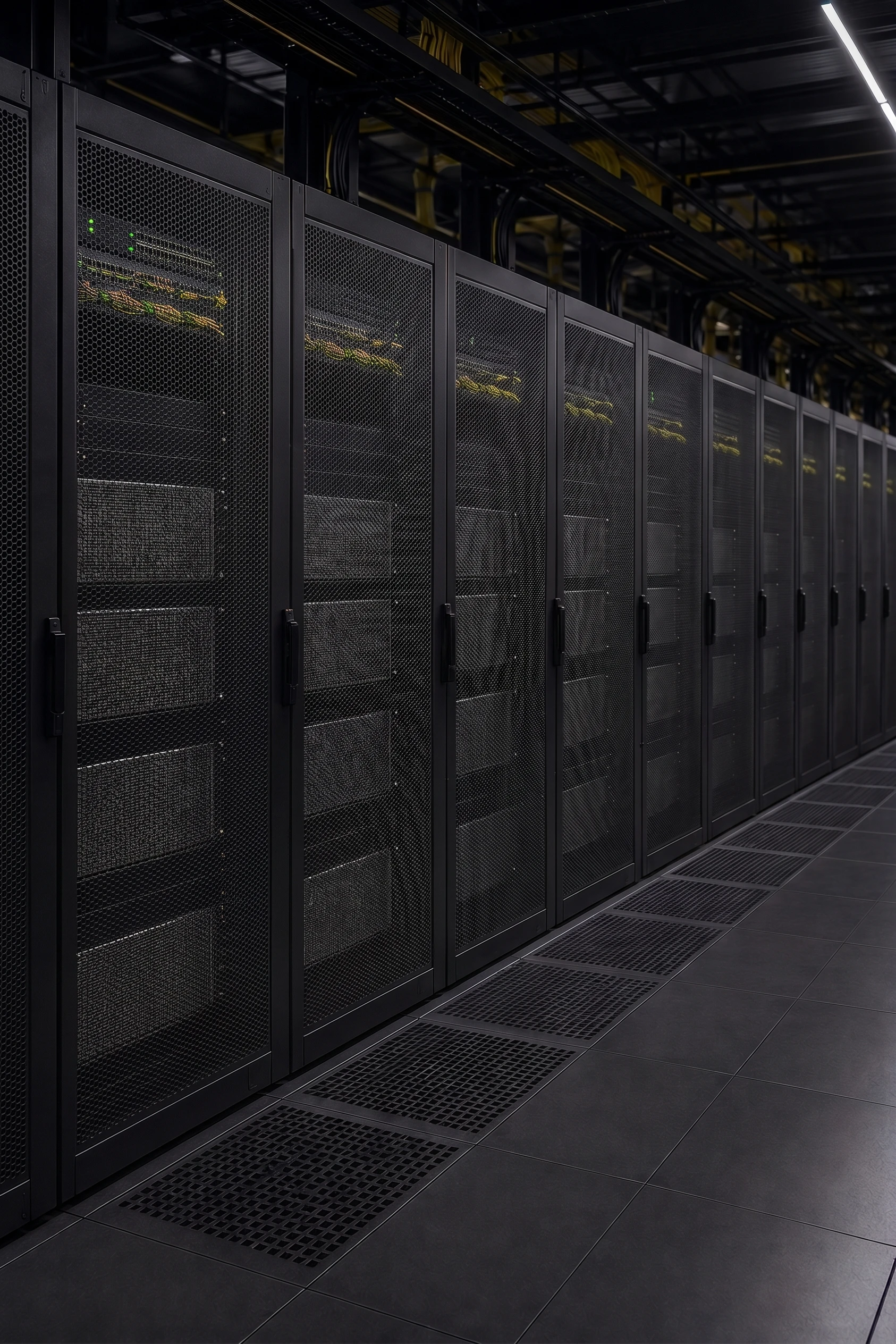
ElioVP helped align server infrastructure, deployment requirements and workload performance for a demanding HPC environment.
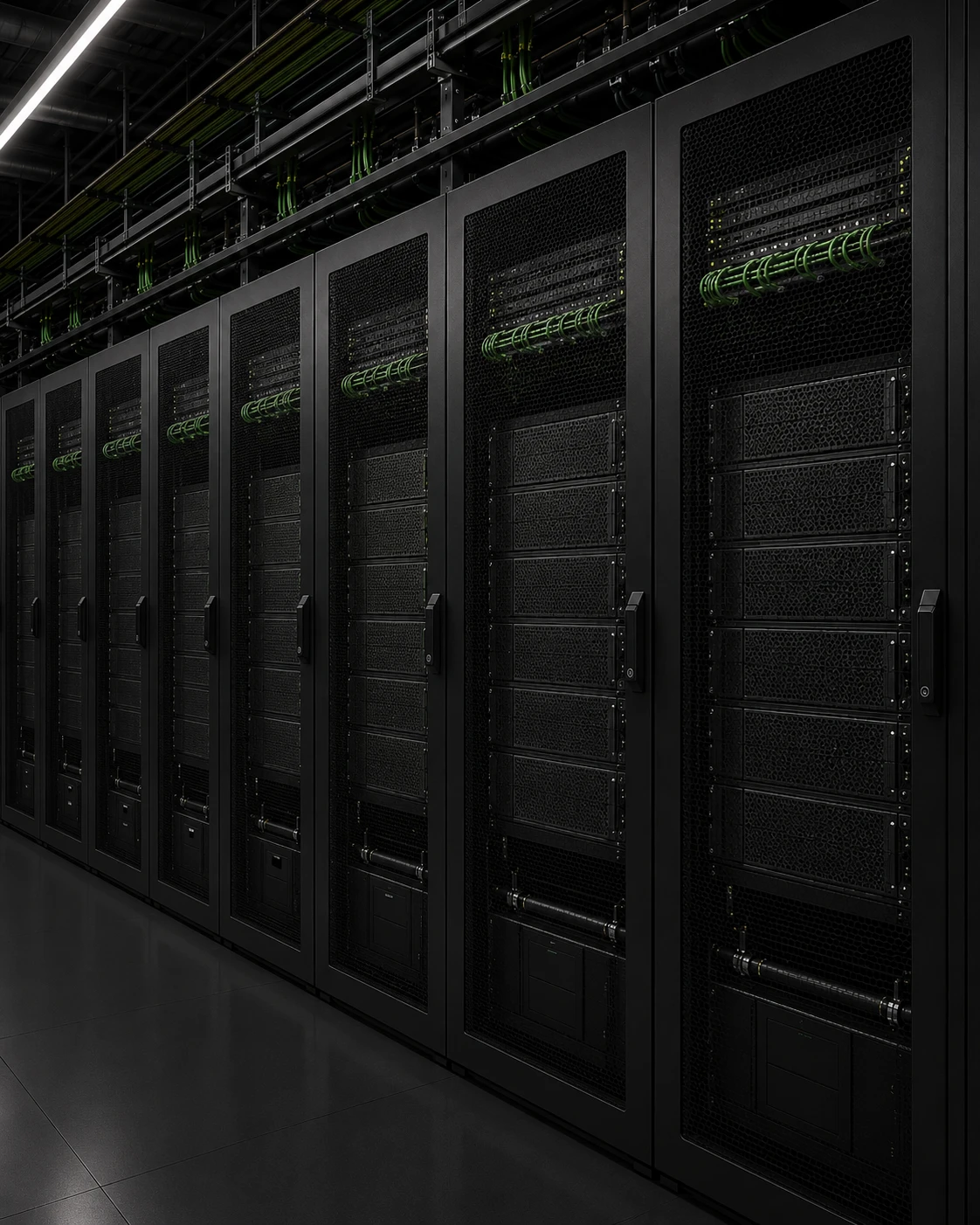
INFRASTRUCTURE MODERNIZATION
ElioVP integrated high-performance compute systems into an existing enterprise environment, improving capacity and platform readiness.
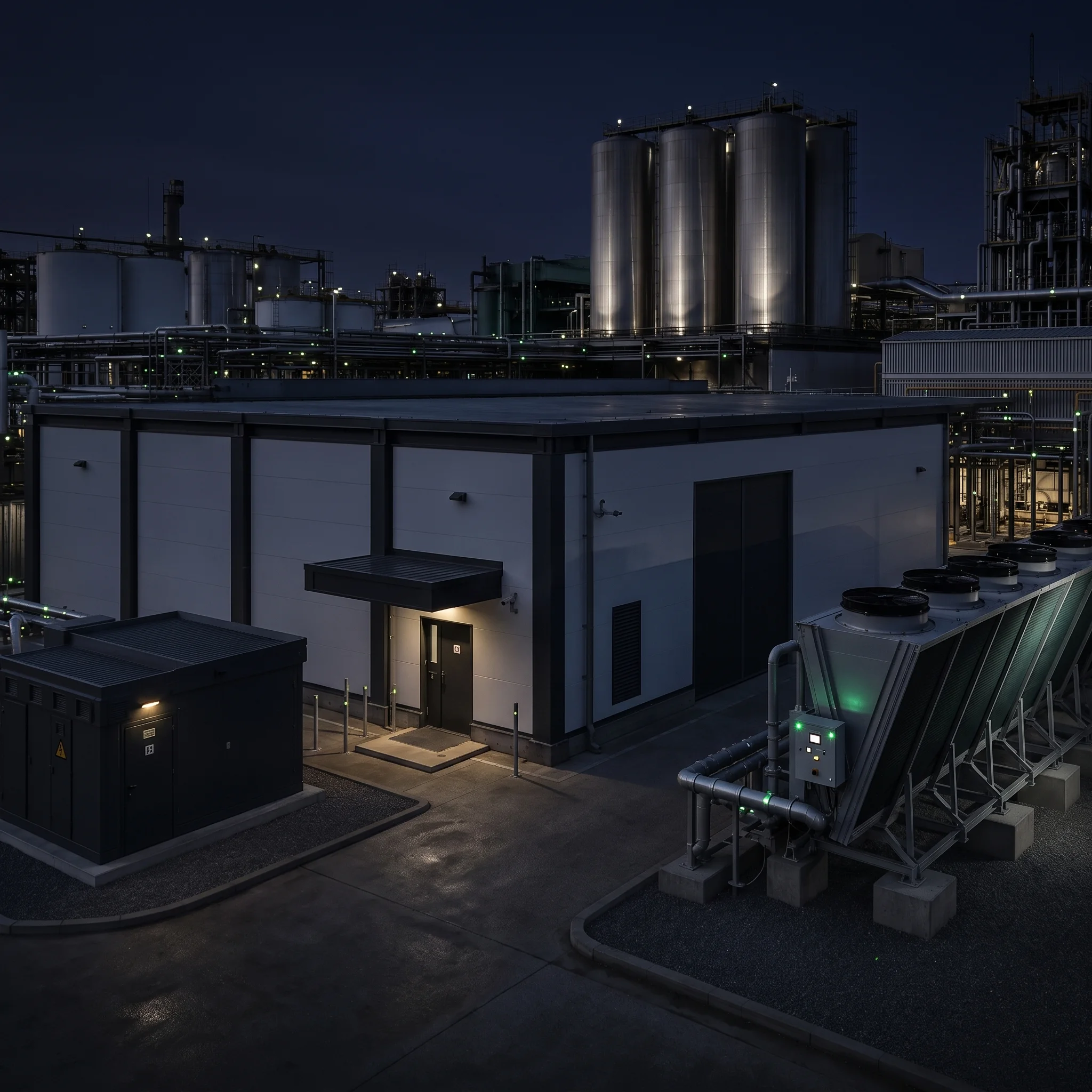
MODFLEX MODULAR DATA CENTERS
ElioVP developed a purpose-built ModFlex modular data center concept around site conditions, power, cooling and future expansion requirements, using building-based modular facilities, engineered steel-frame modules and custom modular buildings.
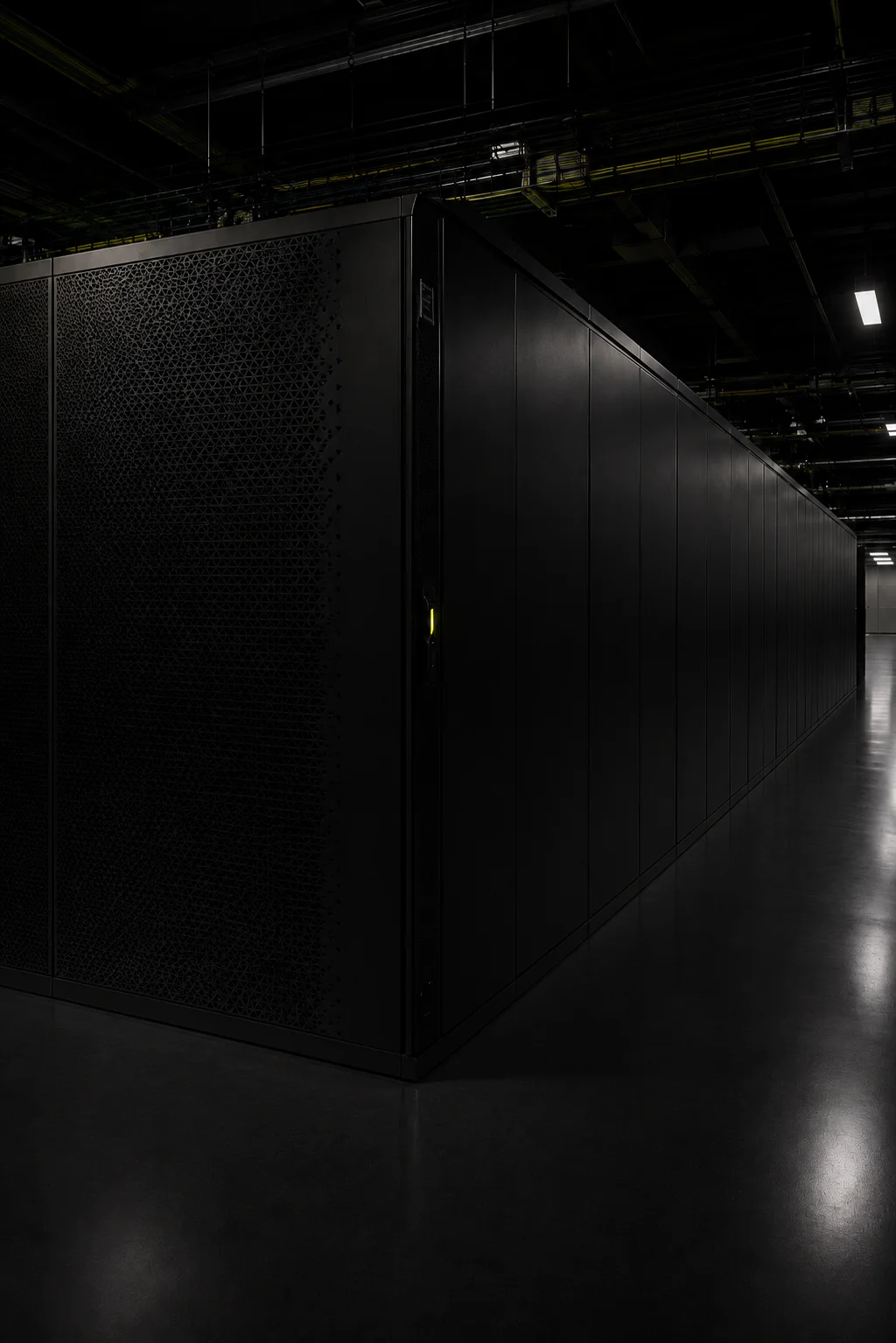
SUPERCOMPUTING
ElioVP delivered and optimized a large AMD-based compute environment for cloud and high-performance workloads.
SUSTAINABILITY
Efficiency claims should begin with an agreed baseline. ElioVP models capacity, utilization, useful throughput, power, cooling, and operating requirements around the actual workload.
The objective is practical: avoid unnecessary capacity, improve useful output from deployed systems, and make energy and lifecycle trade-offs visible before they are locked into the architecture.
07 / ELIOVP
We design and optimize the systems that make demanding AI and compute workloads useful in practice, from GPU infrastructure and modular facilities to model serving and business applications. The engagement starts with your workload and operating requirements.
Yes. We can scope a workstation or server, select and test a suitable model, and plan its data flows, access and support. On-prem hardware alone does not guarantee security or compliance; those controls must be designed and operated.
Not necessarily. Many internal assistants and document workflows can start with a smaller system, while larger workloads may need multi-GPU capacity. We size against representative tasks, memory needs, concurrent users and response targets.
We publish benchmark conditions, baselines and limitations for specific models and hardware. A result such as the original 57% Qwen3.8 throughput gain is a measured comparison under its stated test configuration, not a general guarantee.
Recognition from AMD, Supermicro and NVIDIA is publicly verifiable. Selected customer project material can be discussed privately with qualified organizations when customer agreements permit it.
Both depend on the use case, equipment, site and delivery responsibilities. We define pricing, contract terms, response expectations and milestones in the project proposal rather than publishing a universal promise.
LATEST NEWS
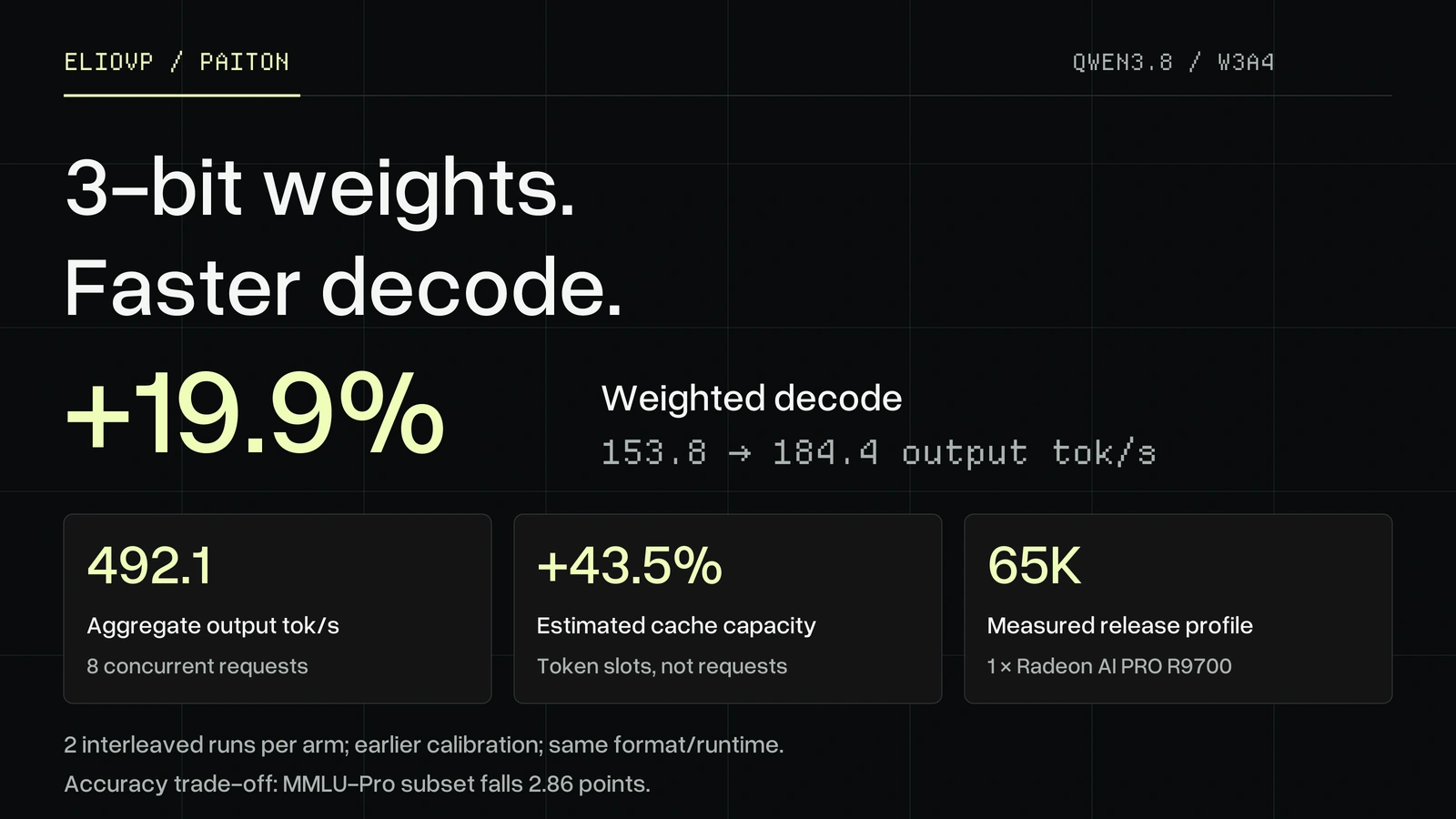
Qwen3.8 27B on one R9700: 19.9% faster weighted decode, a new 4-bit cache, 200K context and optional vision. Benchmarks and current Paiton setup.
Read more: Qwen3.8 27B on 1 × Radeon AI PRO R9700: 3-bit weights, 20% faster decode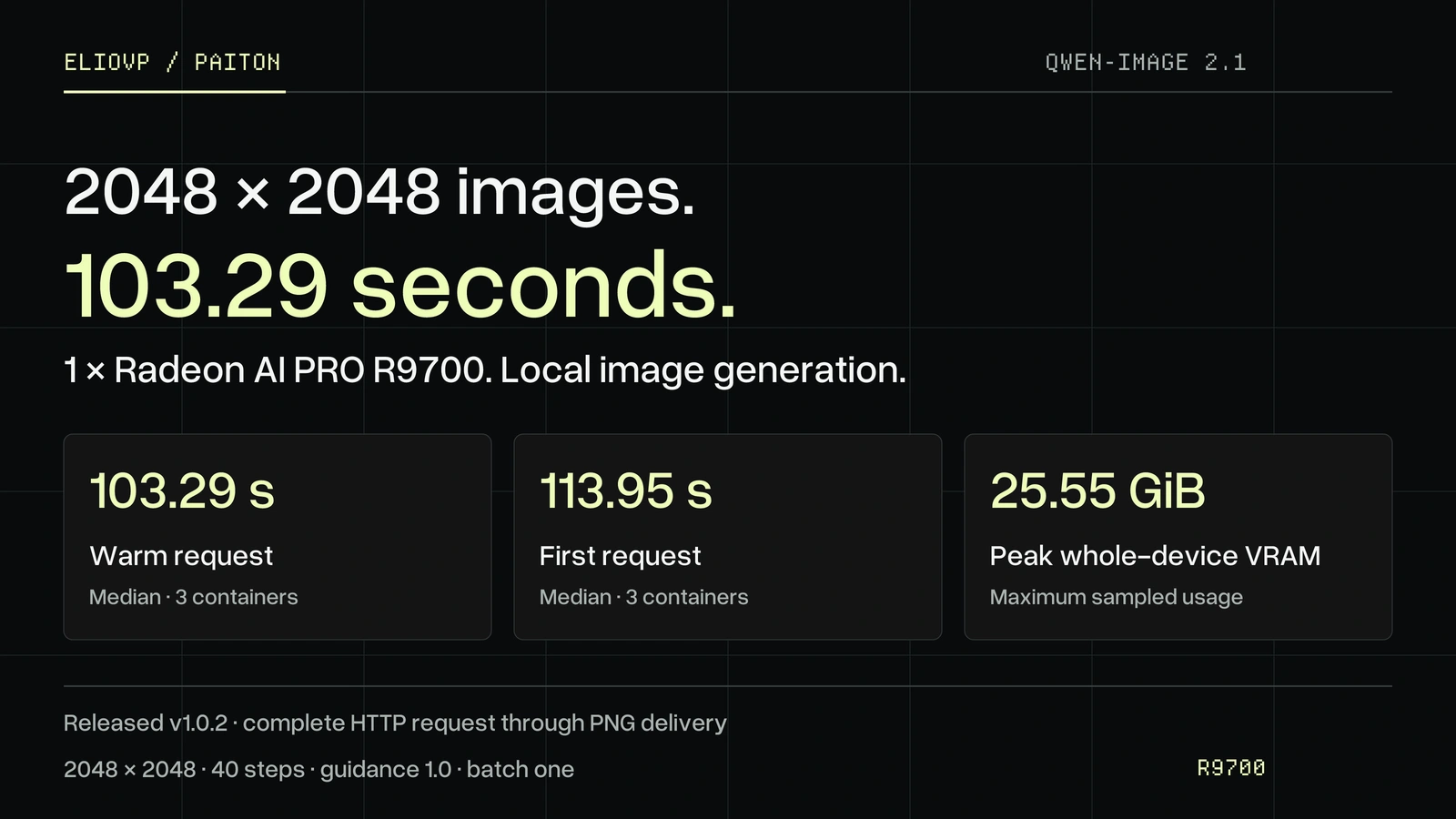
Generate 2048×2048 Qwen-Image 2.1 images locally with 1 × Radeon AI PRO R9700. The released Paiton v1.0.2 container measured 103.29 seconds per warm request, through PNG delivery.
Read more: Qwen-Image 2.1 on 1 × Radeon AI PRO R9700: 2048×2048 images in 103 seconds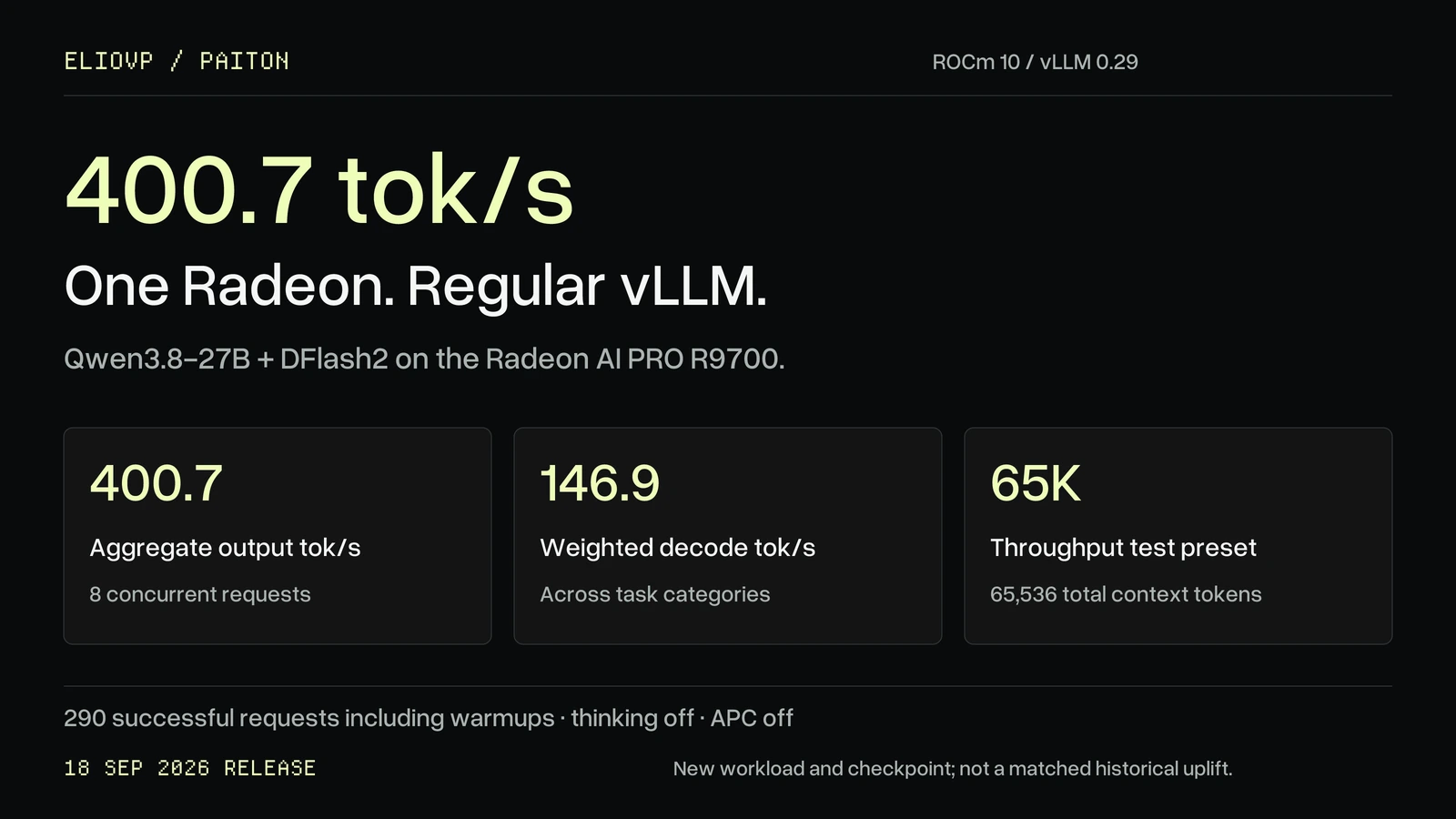
Qwen3.8 on one R9700: 400.7 aggregate tok/s with ROCm 10 and vLLM 0.29, plus public 200K/220K chat profiles. Benchmarks, limits and launch commands.
Read more: Qwen3.8: 400.7 tok/s on R9700 | PaitonWe will connect the relevant infrastructure, performance, sovereignty, and workflow decisions into a focused first assessment.
Discuss your use case